


How AI in branding and Packaging Design Transforming in 2026
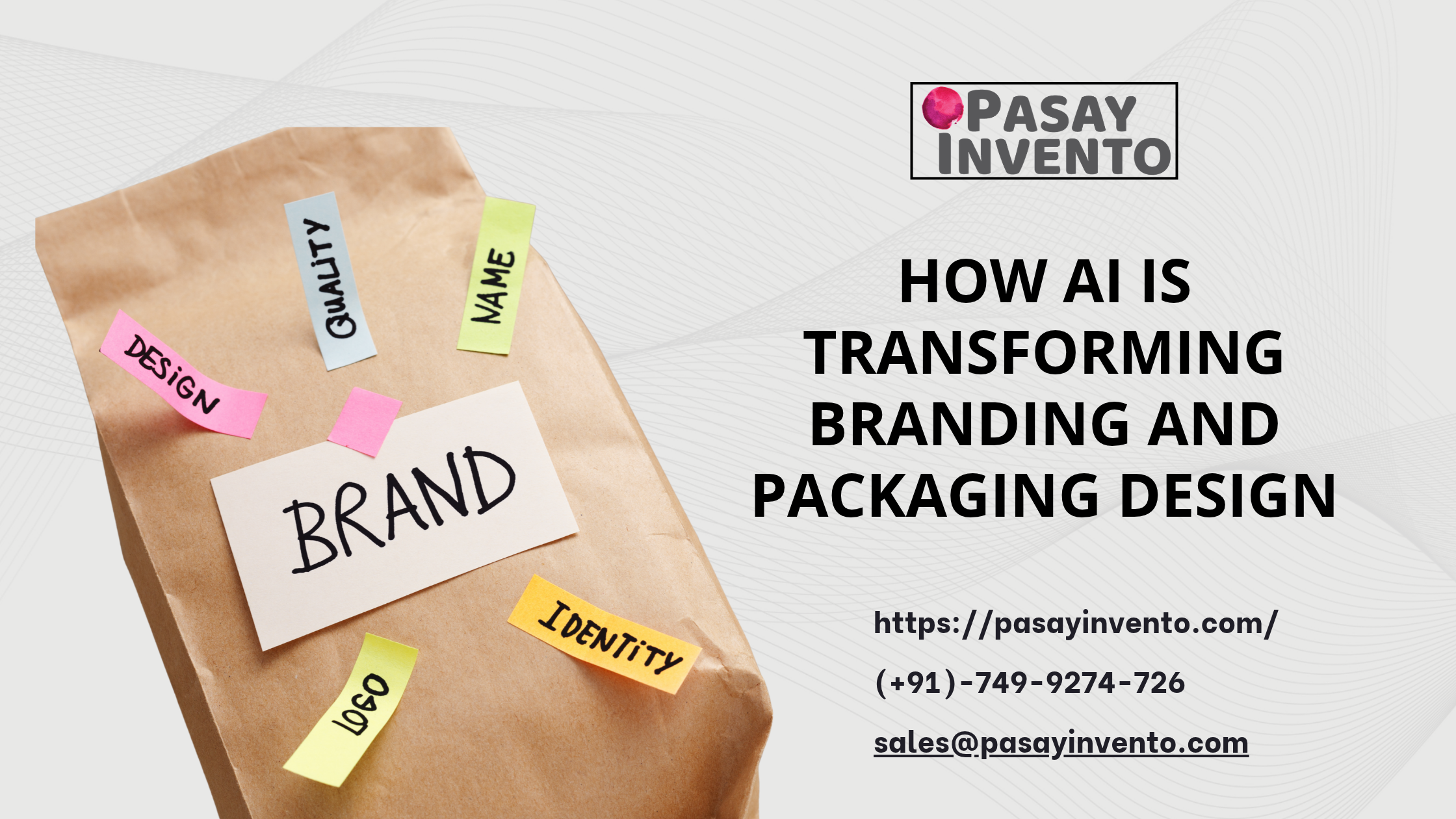
A few years ago, AI in design felt like an experiment. In 2026, it is part of the daily workflow for many brand and packaging teams. Concepts that once took weeks now take hours, and brands can test more ideas before they commit. But speed alone doesn’t build a brand. Here is how AI is transforming branding and packaging design in 2026, and how to use it without losing what makes your brand yours.
Why AI Matters for Brands Right Now
Industry predictions for 2026 point to three forces shaping branding and packaging: sharper brand focus, faster speed to market, and more flexible visual identity systems, according to Packaging Digest. AI supports all three.
From Experiment to Everyday Tool
AI design tools can now produce packaging concepts, label ideas and mockups in minutes. For small and mid-sized brands in India and beyond, this lowers the barrier to professional-looking design. It also raises the bar, because your competitors have the same tools.
6 Ways AI Is Changing Branding and Packaging Design

1. Faster Concept Generation
Generative AI is often the starting point for new packaging projects. Designers can explore dozens of directions, colour palettes and layouts before the first client meeting.
Pro tip
Use AI for the first round of ideas, then let a designer refine the strongest two or three.
2. Realistic Mockups and 3D Previews
AI mockup tools show how a pouch, box or bottle looks on a shelf before anything is printed. That helps stakeholders approve designs faster and avoids costly reprints.
Pro tip
Always check AI visuals against real dieline and material specifications.
3. Better Brand Consistency Across SKUs
Modern tools can follow your rules for typography, colour, logo placement and hierarchy. This matters when you launch many variants at once, such as flavours or sizes. Pair it with clear branding and designing guidelines so the AI has a strong system to follow.
Pro tip
Build a brand guideline file first. AI follows rules well, but it cannot invent your strategy.
4. Data-Informed Design Decisions
AI can analyse market trends, shopper behaviour and competitor shelves to suggest what might stand out. Combined with our Martech services, brands can connect design choices to real performance data.
Pro tip
Test two or three packaging concepts with real shoppers before you decide.
5. Personalisation and Smart Packaging
Connected packaging, QR codes and personalised editions let brands gather real-time insight into how customers engage. AI helps create variations at scale, such as festive or regional editions.
Pro tip
Start small with one limited edition, then scale what works.
6. A Stronger Case for Human Creativity
As AI-generated work becomes common, designers in the packaging industry expect a growing gap between generic, look-alike visuals and intentionally human design, as discussed in Highlight’s 2026 CPG predictions. Brand design trend reports also point to a rise in work with a human touch and small imperfections. Distinctive ideas, culture and storytelling are now your competitive edge.
AI Strengths and Limits at a Glance
| Area | Where AI helps | Where humans still lead |
| Ideas | Many fast directions | Choosing the right big idea |
| Visuals | Mockups and variations | Craft, originality, finish |
| Consistency | Applying rules at scale | Defining the brand system |
| Text on packs | Draft layouts | Legible, legally correct copy |
| Strategy | Trend and data input | Positioning and storytelling |
How to Use AI in branding Without Losing Your Brand
Start With Strategy, Not Tools
Define who you are, who you serve and what you stand for. AI works best when it has a clear brief.
Check Rights, Text and Production Details
Many AI image tools struggle with accurate, legible text, which matters for ingredient lists and mandatory labelling. Some tools train on licensed content, which can reduce legal risk. Always confirm usage rights before you print.
Keep a Human in the Loop
A designer should review every AI output for originality, accuracy and fit with your identity. See how this works in practice in our portfolio, and read how professional packaging design influences buying decisions.
Bring the Design to Life
Great packaging needs great storytelling. Support your launch with video and ad production and digital marketing.
Conclusion
AI is making branding and packaging design faster, more flexible and more data-informed in 2026. But the brands that win will use AI in branding as a creative partner, not a replacement for strategy and craft. Combine smart tools with human insight, and your packaging can stand out on the shelf and on the screen.
Want AI in branding and Packaging That Still Feels Human?
Talk to Pasay Invento, a Pune-based creative agency, about your next brand or packaging project. Book Your Free Consultation
Frequently Asked Questions
Can AI replace packaging designers?
No. AI in branding speeds up ideas and mockups, but designers are still needed for strategy, originality, production accuracy and brand consistency.
Is AI-generated packaging design safe to print?
Only after review. Check text accuracy, regulatory labelling, image rights and print specifications before sending any AI-assisted design to production.
How can small businesses use AI for branding?
Use AI for early concepts, colour and layout ideas and mockups, then work with a branding team to refine the final identity and guidelines.
Will AI make all packaging look the same?
It can, if brands rely on default outputs. Strong brand guidelines, original ideas and human craft keep your packaging distinctive.